
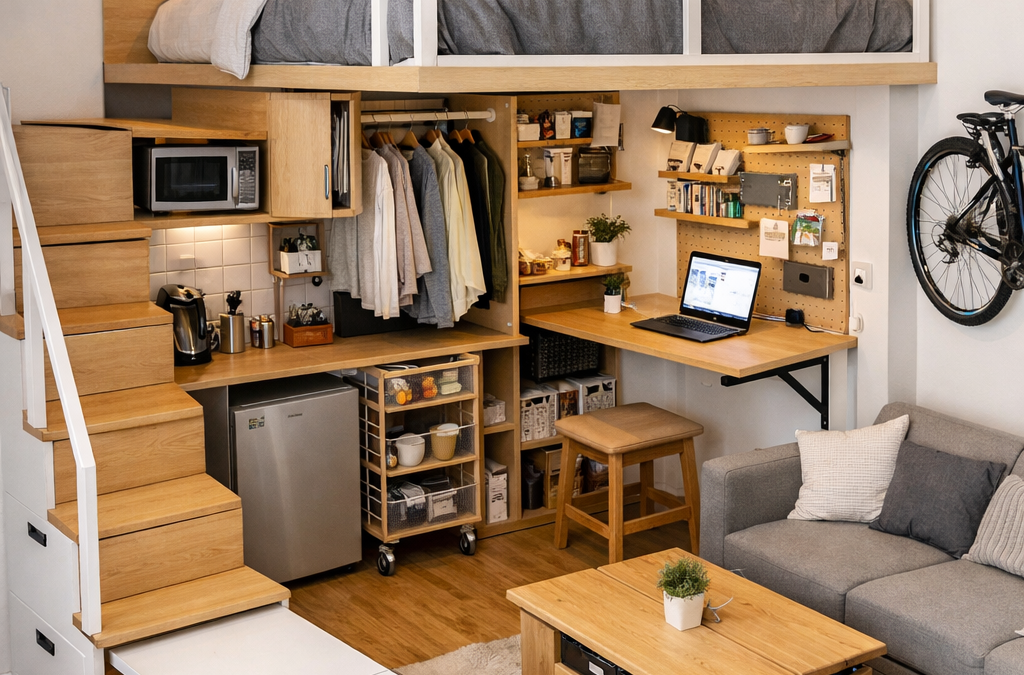
Learn all about space optimization in small apartments using smart storage, multifunctional furniture, and minimalist design strategies perfect for modern urban living.
- Smart Storage and Space Optimization for Small Apartments: How to Live Bigger in Less Space
- Why Space Optimization Is Essential for Modern Apartment Living
- Common Space Optimization Problems in Small Apartments
- Smart Storage Strategies for Space Optimization
- Room-by-Room Space Optimization Tips
- Habits That Support Long-Term Space Optimization
- Choosing Storage Solutions That Support Space Optimization
- Conclusion
- FAQs
Smart Storage and Space Optimization for Small Apartments: How to Live Bigger in Less Space
If you live in a small apartment, you already know the paradox: you technically have everything you need, yet it somehow never feels like enough space. The sofa doubles as an office chair, the dining table moonlights as a desk, and storage solutions quietly determine whether your home feels calm or chaotic. Welcome to modern urban living—where space optimization isn’t a luxury, it’s survival.
At LoftCulture, the philosophy is simple: small spaces deserve smart design. Space optimization isn’t about stripping your home bare or embracing extreme minimalism. It’s about choosing the right storage systems, multi-purpose furniture, and layout strategies that let your apartment breathe. Done right, even the smallest apartment can feel intentional, stylish, and functional—without looking like a storage unit.
This guide explores how to optimize space in small apartments using practical, realistic methods that work in real life—not just in showrooms. We’ll look at smart storage strategies, furniture choices, layout decisions, and habits that make your home feel bigger without knocking down walls (or annoying your landlord).
Why Space Optimization Is Essential for Modern Apartment Living
Small apartments aren’t a trend—they’re the reality across most European cities. Rising housing costs, urban density, and lifestyle changes mean people are learning to live smarter, not larger. That’s where space optimization becomes essential.
Poorly optimized spaces feel cramped even when they aren’t technically full. Furniture blocks movement, storage is scattered, and every item feels like it’s in the way. Optimized spaces, on the other hand, feel fluid. Items have purpose, zones are defined, and storage works quietly in the background.
From an everyday perspective, optimized spaces reduce friction. You clean faster, move easier, and feel less overwhelmed. Psychologically, fewer visual obstacles reduce stress. Practically, smart storage solutions allow you to own what you need without drowning in clutter. It’s not about perfection—it’s about flow.
Common Space Optimization Problems in Small Apartments
Furniture That’s Too Large for the Space
One of the most common mistakes in small apartments is oversized furniture. That “perfect” couch from the showroom suddenly dominates the room, leaving no space for movement or storage. Large furniture compresses visual space and limits layout flexibility.
Implementation:
Choose compact, multifunctional furniture with clean lines. Prioritize pieces that offer built-in storage or vertical functionality. Measure twice, buy once—and remember that negative space is just as important as furniture.
Unused Vertical Space
Most apartments have walls that go completely unused above eye level. That’s wasted real estate. When storage stays low and spreads outward, floor space disappears quickly.
Implementation:
Introduce vertical storage solutions: tall shelving units, stacked organizers, and vertical shoe racks. These keep the footprint small while expanding capacity upward.
Lack of Defined Zones
Small apartments often suffer from “everything everywhere” syndrome. Without defined zones, storage becomes scattered and inefficient.
Implementation:
Use storage furniture to define zones. A shoe rack near the door defines an entryway. A shelving unit can separate living and sleeping areas. Storage becomes structure.
Smart Storage Strategies for Space Optimization
Multi-Purpose Storage Furniture
Furniture that performs more than one role is the backbone of optimized living. Storage benches, shoe racks with hooks, and clothes hangers with shelves reduce the need for multiple items.
Implementation Steps:
- Replace single-use furniture with dual-purpose alternatives.
- Choose designs that integrate storage invisibly.
- Keep frequently used items within arm’s reach.
Vertical Storage Systems
Vertical storage is one of the most effective ways to reclaim space. It keeps the floor open while maximizing capacity.
Implementation Steps:
- Use tall, slim organizers instead of wide ones.
- Stack storage upward in layers.
- Reserve higher shelves for less frequently used items.
Modular & Freestanding Storage
Fixed furniture locks you into one layout. Modular and freestanding storage adapts as your needs change.
Implementation Steps:
- Choose lightweight, movable organizers.
- Avoid built-in solutions in rental apartments.
- Reconfigure storage seasonally.
Room-by-Room Space Optimization Tips
Entryway Optimization
The entryway sets the tone. A compact shoe rack with hooks creates immediate order and prevents clutter from spreading.
Bedroom Space Optimization
Bedrooms benefit from vertical and underutilized storage. Freestanding organizers free wardrobe space and reduce visual clutter.
Living Room Space Optimization
Living rooms often do too much. Smart storage keeps essentials accessible while maintaining a clean, open look.
Habits That Support Long-Term Space Optimization
Edit What You Own
Space optimization fails when storage exceeds intention. Regularly evaluate what you actually use.
Store by Frequency of Use
Daily items should be easy to reach. Seasonal items should be stored higher or deeper.
Reset Weekly
A short weekly reset keeps optimized spaces functional without major effort.
Choosing Storage Solutions That Support Space Optimization
What to Look For
Storage should solve problems quietly, not create new ones.
Conclusion
Living in a small apartment doesn’t mean compromising comfort or style. With the right space optimization strategies, smart storage, and intentional furniture choices, small spaces can feel open, calm, and efficient. The goal isn’t to own less—it’s to live better with what you have. And once your space works with you, everything else feels easier.
FAQs
1. What is space optimization in small apartments?
It’s the practice of using layout, storage, and furniture strategically to maximize functionality without increasing square footage.
2. What storage solutions work best for small spaces?
Vertical, freestanding, and multi-functional storage solutions offer the highest flexibility and efficiency.
3. How do I optimize space without remodeling?
Focus on storage upgrades, furniture replacement, and decluttering—no renovation required.